
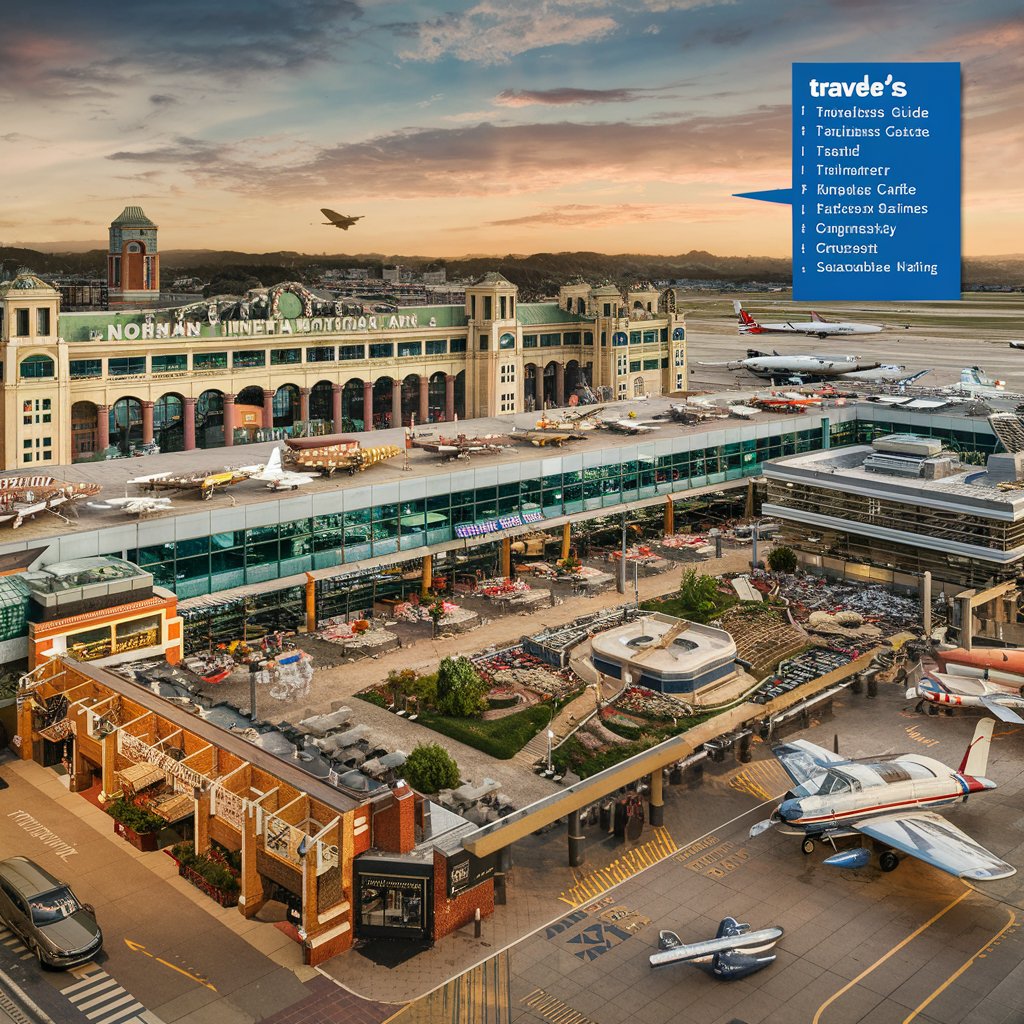

The SJC Norman Y. Mineta San José International Airport is one of California’s most important transportation hubs, serving as the primary gateway to Silicon Valley and the greater Bay Area. Located just a few miles from downtown San José, this airport has become a symbol of innovation, efficiency, and connectivity. Named in honor of Norman Y. Mineta, a respected public servant and former U.S. Secretary of Transportation, SJC reflects both the technological spirit of its region and the legacy of a man who dedicated his life to public service and progress.
Over the years, SJC has evolved from a small regional airport into a modern international facility that connects millions of passengers to destinations across the United States and around the world. With its state-of-the-art terminals, sustainable design, and commitment to passenger comfort, the airport stands as a model of modern aviation infrastructure. This article explores the history, facilities, and significance of SJC Norman Y. Mineta International Airport, offering travelers a complete guide to one of California’s most dynamic airports.
The History and Legacy of Norman Y. Mineta
The airport’s namesake, Norman Yoshio Mineta, was a trailblazing American politician and public servant who made significant contributions to transportation and civil rights. Born in San José, California, in 1931, Mineta’s life was marked by resilience and dedication. During World War II, he and his family were among the thousands of Japanese Americans interned in camps, an experience that shaped his lifelong commitment to equality and justice.
Mineta went on to become the first Asian American mayor of a major U.S. city when he was elected mayor of San José in 1971. His leadership helped transform the city into a thriving center of technology and innovation. Later, as U.S. Secretary of Transportation under President George W. Bush, Mineta played a crucial role in shaping national transportation policy, particularly in the aftermath of the September 11 attacks.
In recognition of his service and his deep connection to the city, San José International Airport was renamed Norman Y. Mineta San José International Airport in 2001. The name honors not only his contributions to transportation but also his enduring legacy as a symbol of perseverance, leadership, and civic responsibility.
The Growth and Development of SJC
Since its establishment in 1945, SJC has undergone remarkable growth. What began as a modest airfield with a single runway has evolved into a bustling international airport serving millions of passengers annually. The airport’s expansion has mirrored the rise of Silicon Valley, accommodating the increasing demand for business and leisure travel in one of the world’s most innovative regions.
Major renovations in the early 2000s transformed SJC into a modern facility equipped with advanced technology and sustainable infrastructure. The construction of Terminal B, completed in 2010, introduced energy-efficient systems, spacious waiting areas, and improved passenger amenities. The airport’s design emphasizes convenience, with short walking distances between terminals and easy access to parking, rental cars, and public transportation.
Today, SJC serves as a hub for major airlines such as Alaska Airlines and Southwest Airlines, offering direct flights to destinations across North America, Europe, and Asia. Its strategic location makes it a preferred choice for travelers seeking quick access to Silicon Valley’s tech campuses, including Apple, Google, and Meta.
Facilities and Passenger Experience
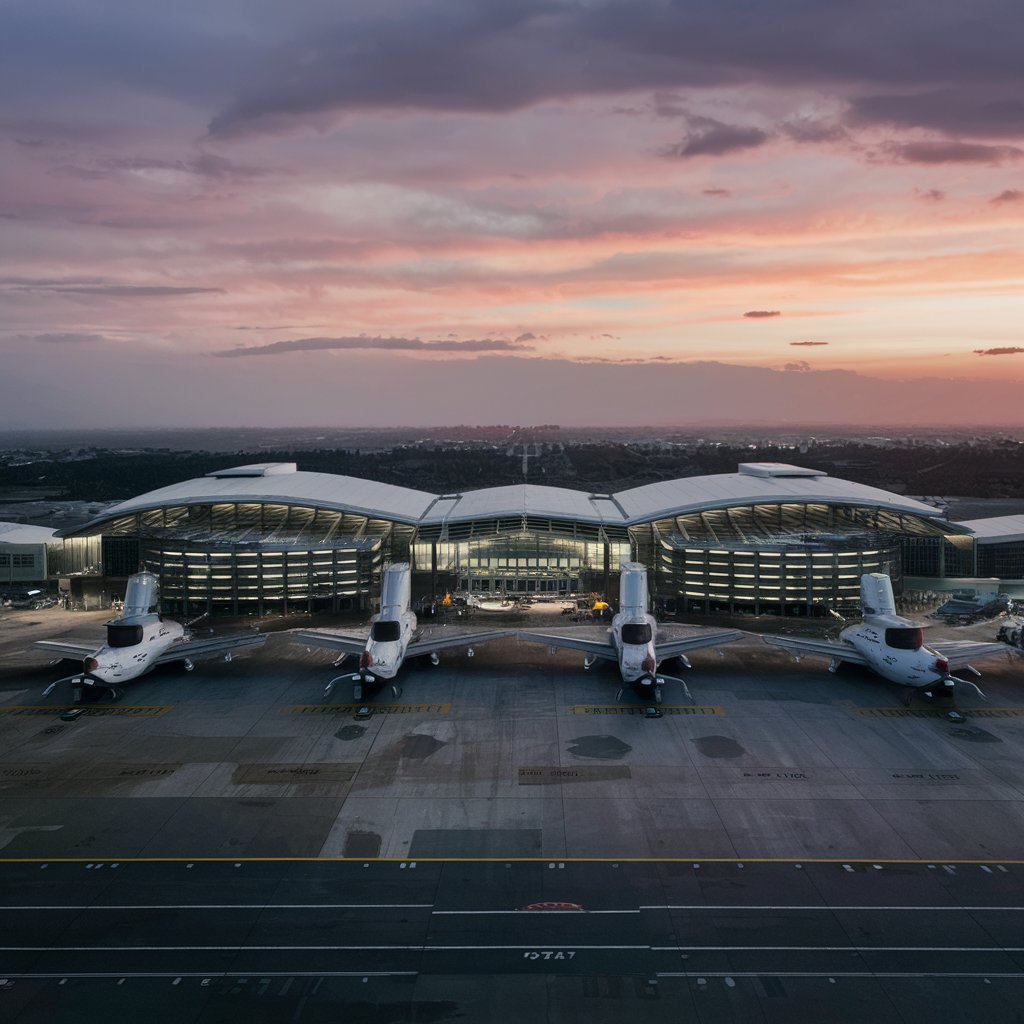
SJC Norman Y. Mineta International Airport is renowned for its passenger-friendly design and modern amenities. The airport features two main terminals—Terminal A and Terminal B—both equipped with a wide range of services designed to enhance the travel experience.
Travelers can enjoy a variety of dining options, from local favorites showcasing California cuisine to international chains offering quick meals. Shopping opportunities include duty-free stores, tech shops, and boutiques featuring regional products. The airport also provides free high-speed Wi-Fi, charging stations, and comfortable seating areas throughout the terminals.
Accessibility is a key focus at SJC. The airport offers comprehensive services for passengers with disabilities, including accessible restrooms, elevators, and assistance programs. Families traveling with children can take advantage of designated play areas and family restrooms, while business travelers benefit from quiet lounges and workspaces.
Sustainability is another cornerstone of SJC’s operations. The airport has implemented numerous eco-friendly initiatives, such as energy-efficient lighting, water conservation systems, and waste reduction programs. These efforts reflect the environmentally conscious values of the Silicon Valley community and position SJC as a leader in sustainable aviation.
Connectivity and Transportation Options
One of the major advantages of SJC is its excellent connectivity to the surrounding region. The airport is conveniently located near major highways, including U.S. Route 101 and Interstate 880, making it easily accessible from San José, Santa Clara, and other Bay Area cities.
Public transportation options include the VTA Light Rail and Caltrain, which connect the airport to downtown San José and neighboring communities. Additionally, ride-sharing services, taxis, and airport shuttles provide flexible travel options for passengers. For those renting vehicles, SJC’s consolidated rental car center offers a seamless experience with multiple providers located in one facility.
The airport’s proximity to Silicon Valley’s business districts makes it a preferred choice for corporate travelers, while its efficient layout and modern facilities appeal to leisure travelers seeking convenience and comfort.
The Role of SJC in Silicon Valley’s Economy
SJC Norman Y. Mineta International Airport plays a vital role in supporting the economic growth of Silicon Valley. As the primary air gateway for the region, it facilitates business travel, tourism, and international trade. The airport’s operations generate thousands of jobs and contribute significantly to the local economy through tourism, logistics, and commerce.
Moreover, SJC serves as a symbol of Silicon Valley’s global connectivity. It enables companies to maintain international partnerships, attract talent from around the world, and foster innovation through global collaboration. The airport’s continued expansion and modernization reflect the region’s forward-thinking spirit and commitment to progress.
Conclusion
The SJC Norman Y. Mineta San José International Airport stands as a testament to innovation, resilience, and community pride. Named after a visionary leader who dedicated his life to public service, the airport embodies the values of progress and inclusivity that define Silicon Valley. From its humble beginnings as a regional airfield to its current status as a world-class international airport, SJC has continually evolved to meet the needs of travelers and the demands of a globalized world.
Whether serving business professionals heading to tech conferences or families embarking on new adventures, SJC remains a gateway not only to destinations around the world but also to the heart of California’s innovation corridor. Its legacy, much like that of Norman Y. Mineta himself, continues to inspire excellence, connection, and forward momentum.
Frequently Asked Questions (FAQ)
What does SJC stand for?
SJC stands for San José International Airport, officially named Norman Y. Mineta San José International Airport in honor of the former U.S. Secretary of Transportation.
Where is SJC Norman Y. Mineta Airport located?
The airport is located approximately three miles northwest of downtown San José, California, making it the closest major airport to Silicon Valley.
Which airlines operate at SJC?
Major airlines include Alaska Airlines, Southwest Airlines, American Airlines, Delta Air Lines, and international carriers such as British Airways and All Nippon Airways.
Does SJC offer international flights?
Yes, SJC provides direct international flights to destinations in Europe, Asia, and Mexico, including London, Tokyo, and Guadalajara.
How can travelers get to and from the airport?
Travelers can use public transportation such as VTA Light Rail and Caltrain, as well as taxis, ride-sharing services, and rental cars available at the airport’s rental car center.
Why is the airport named after Norman Y. Mineta?
The airport was named in honor of Norman Y. Mineta, a San José native and former U.S. Secretary of Transportation, to recognize his lifelong contributions to public service and transportation policy.