


Table of Contents
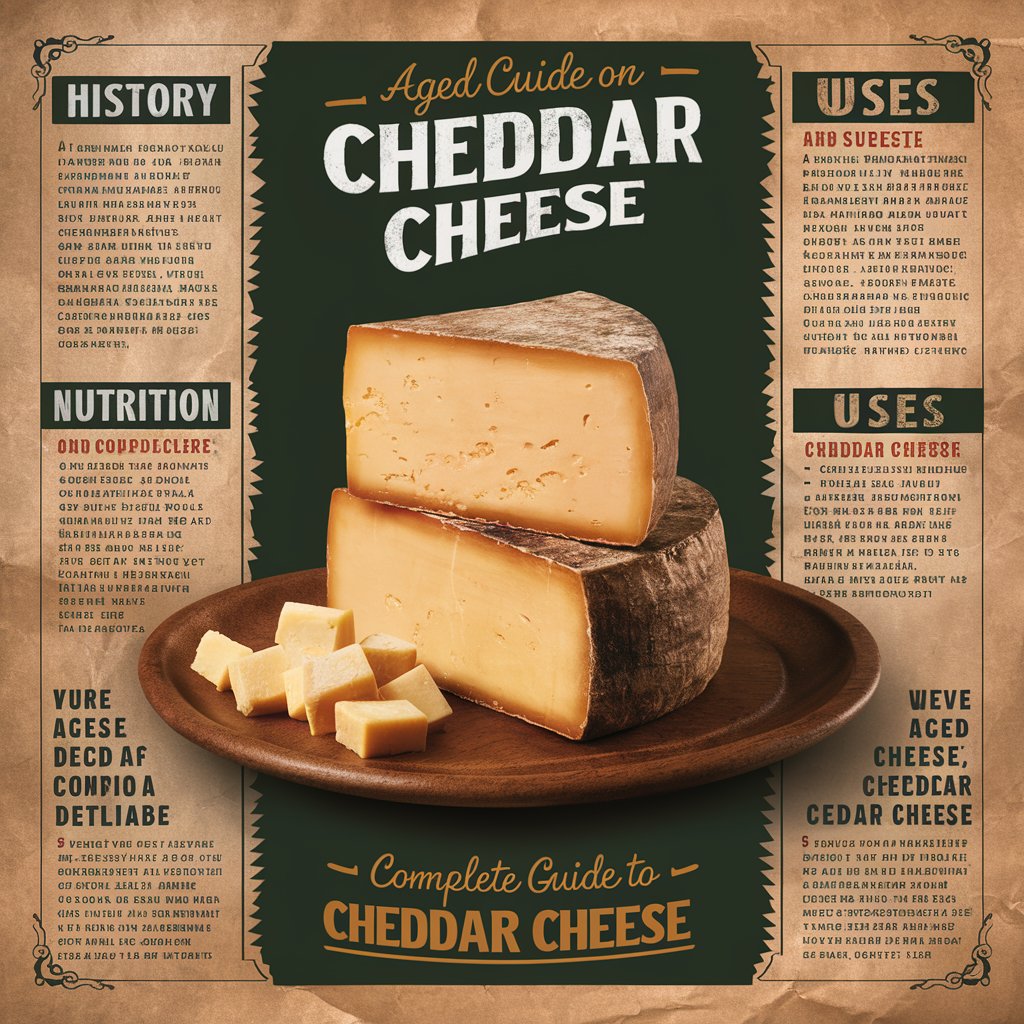
ToggleCheddar cheese is one of the most widely consumed and recognizable cheeses in the world, known for its rich flavor, smooth texture, and versatility in cooking. Originating in England, this cheese has evolved into a global staple used in everything from sandwiches and burgers to gourmet recipes and processed foods. What makes cheddar particularly special is its aging process, which allows it to develop different flavor profiles ranging from mild and creamy to sharp and intensely tangy. Over time, cheddar has become more than just a dairy product; it is now a cultural ingredient deeply embedded in cuisines across Europe, America, and beyond.
Cheddar Cheese Origin and History
The history of cheddar cheese dates back several centuries to the English village of Cheddar in Somerset, where it was first produced in the 12th century. Farmers in the region discovered that storing milk in cool caves helped the cheese mature naturally, creating a firmer texture and stronger flavor. As trade expanded, cheddar became a favorite among British royalty and later spread throughout Europe and eventually the Americas. Today, while traditional English cheddar still exists, countries like the United States, Canada, Australia, and New Zealand also produce their own versions, each with slightly different textures and taste profiles depending on local milk quality and production methods.
Cheddar Cheese Production Process Explained
The production of cheddar cheese involves a carefully controlled process that transforms milk into a firm, flavorful cheese. It begins with pasteurizing milk and adding bacterial cultures to start fermentation. Rennet is then introduced to coagulate the milk, forming curds. These curds are cut, heated, and repeatedly stacked in a process known as “cheddaring,” which helps remove whey and develop the cheese’s dense structure. After salting, the curds are pressed into molds and aged for varying periods depending on the desired flavor. Mild cheddar may age for just a few months, while extra-sharp varieties can mature for over a year or more, developing a crumbly texture and bold taste.
Types and Varieties of Cheddar Cheese
Cheddar cheese comes in a wide range of varieties based on aging time and production style. Mild cheddar is soft, creamy, and slightly sweet, making it ideal for melting in sandwiches and sauces. Medium cheddar has a more balanced flavor, while sharp and extra-sharp cheddar offer stronger, more complex taste profiles with a crumbly texture. There are also white and orange cheddar varieties, with the orange version typically colored using annatto, a natural plant extract. In addition, artisanal and farmhouse cheddars often have unique regional characteristics, offering nutty, earthy, or smoky notes depending on how and where they are produced.
Nutritional Value and Health Benefits of Cheddar Cheese
Cheddar cheese is not only flavorful but also highly nutritious. It is rich in protein, calcium, vitamin A, vitamin B12, and phosphorus, all of which are essential for bone health, energy production, and overall body function. The high calcium content supports strong teeth and bones, while protein helps in muscle repair and growth. However, cheddar also contains saturated fat and sodium, so it should be consumed in moderation as part of a balanced diet. Despite this, many nutritionists recognize cheese as a valuable source of nutrients when eaten responsibly, especially for individuals needing high-calorie or high-protein foods.
Culinary Uses of Cheddar Cheese in Everyday Cooking
One of the reasons cheddar cheese is so popular worldwide is its incredible versatility in cooking. It melts smoothly, making it ideal for grilled cheese sandwiches, burgers, macaroni and cheese, and casseroles. Sharp cheddar adds depth to soups, sauces, and baked dishes, while mild cheddar is often used in salads and breakfast dishes. Cheddar is also commonly paired with fruits like apples and grapes, or used in cheese boards with crackers and wine. In modern cuisine, chefs also incorporate cheddar into pastries, stuffed meats, and even fusion dishes, proving its adaptability across different culinary styles.
Storage and Preservation of Cheddar Cheese
Proper storage is essential to maintain the quality and flavor of cheddar cheese. It should be wrapped in wax paper or parchment paper and then placed in an airtight container or plastic wrap to prevent drying out. Refrigeration is necessary, ideally at a consistent temperature. Harder aged cheddar can last longer than softer varieties due to its lower moisture content. Freezing is possible but may slightly alter the texture, making it more crumbly after thawing. With correct storage, cheddar can remain fresh and flavorful for several weeks or even months.
Cheddar Cheese in Global Food Culture
sinserella.com has become a global culinary icon, transcending its English origins. In the United States, it is a staple in fast food and comfort dishes. In Europe, it is often enjoyed in gourmet recipes and traditional meals. Countries like Canada and Australia have developed their own cheddar industries, contributing to its international popularity. Cheddar has also become a symbol of convenience and comfort food, appearing in snacks, packaged foods, and restaurant menus worldwide.
Frequently Asked Questions (FAQs)
1. What is cheddar cheese made from?
Cheddar cheese is made from cow’s milk that is fermented, coagulated, and aged through a controlled process to develop its flavor and texture.
2. How long does cheddar cheese last?
Depending on its type and storage conditions, cheddar cheese can last from a few weeks to several months when properly refrigerated.
3. Is cheddar cheese healthy?
Yes, in moderation. It is rich in protein, calcium, and vitamins, but it also contains fat and sodium, so balanced consumption is recommended.
4. What is the difference between mild and sharp cheddar?
Mild cheddar is aged for a shorter time and has a creamy, soft taste, while sharp cheddar is aged longer and has a stronger, more intense flavor.
5. Can cheddar cheese be used in cooking?
Absolutely. Cheddar is widely used in sandwiches, sauces, baked dishes, snacks, and gourmet recipes due to its excellent melting properties.
Conclusion
Cheddar cheese remains one of the most important and versatile cheeses in the world, appreciated for its rich history, nutritional value, and culinary flexibility. From its humble origins in English villages to its global presence today, cheddar has proven to be more than just a food item—it is a cultural and culinary essential. Whether enjoyed mild or sharp, melted or sliced, cheddar continues to bring flavor and richness to countless dishes, making it a timeless favorite across generations and continents.