

Table of Contents
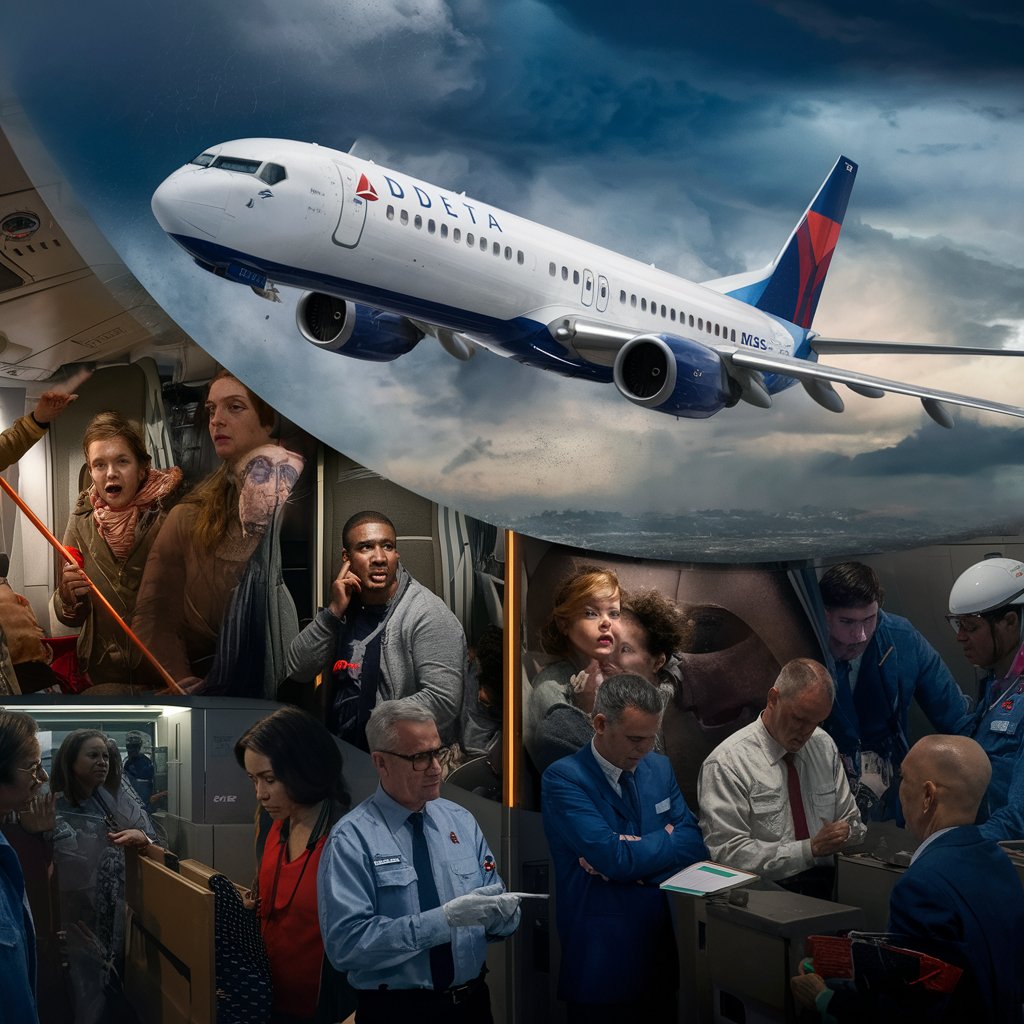
ToggleThe incident involving Delta Flight DL275 diverted LAX has drawn significant attention from aviation watchers and passengers due to its unexpected change in route and landing. Flight diversions are not uncommon in commercial aviation, but each event raises questions about safety, operational decisions, passenger experience, and airline response. In this case, the focus is on understanding why the flight was redirected to Los Angeles International Airport, how such decisions are made, and what it means for passengers onboard. The diversion highlights how airlines like Delta Air Lines prioritize safety above schedule adherence, even when it leads to inconvenience or delays.
Delta Flight DL275 Diverted LAX Overview and Timeline
The situation surrounding Delta Flight DL275 diverted LAX typically begins when the aircraft, originally scheduled for a different destination, changes course mid-flight or before final descent. Diversions like this often occur due to technical alerts, weather disruptions, medical emergencies, or air traffic control instructions. In this case, the aircraft’s landing at Los Angeles International Airport indicates that it was considered the safest or most practical alternate airport at the time. Passengers onboard would have experienced a sudden announcement from the cockpit crew explaining the change, followed by a revised landing procedure coordinated with ground control.
Possible Reasons Behind Delta Flight DL275 Diverted LAX
When analyzing why Delta Flight DL275 diverted LAX, aviation experts usually consider several possible factors. Weather conditions remain one of the most common causes, especially turbulence, storms, or visibility issues at the intended destination. Technical issues such as minor mechanical alerts can also force pilots to divert as a precautionary measure, even if the aircraft remains fully operational. Medical emergencies involving passengers or crew are another frequent reason for diversion, requiring immediate landing at the nearest major airport equipped with emergency services. Additionally, congestion or runway restrictions at the original destination can lead air traffic control to redirect flights like DL275 to LAX for smoother operations.
Passenger Experience During Delta Flight DL275 Diverted LAX Event
For passengers onboard Delta Flight DL275 diverted LAX, the experience can be unsettling at first, especially when the announcement of a diversion is made unexpectedly. However, airlines like Delta Air Lines follow strict communication protocols to ensure passengers are informed clearly and calmly. Cabin crew members usually provide updates regarding the reason for diversion, estimated landing time, and next steps after arrival. Once the aircraft lands at Los Angeles International Airport, passengers may face rebooking, waiting periods, or connections arranged by the airline depending on their final destination. While inconvenient, such diversions are designed to prioritize safety and minimize risk.
Safety Protocols Behind Delta Flight DL275 Diverted LAX Decision
The decision to divert Delta Flight DL275 diverted LAX is never made lightly and always follows strict aviation safety guidelines. Pilots are trained to assess real-time data from onboard systems and communicate with airline operations and air traffic control before making diversion decisions. In most cases, the captain has final authority if safety is in question. The aviation industry operates under a safety-first principle, meaning that even minor irregularities can justify landing at an alternate airport like LAX. This ensures that both passengers and crew remain protected throughout the journey, even if it results in delays or inconvenience.
Operational Impact of Delta Flight DL275 Diverted LAX
The diversion of Delta Flight DL275 diverted LAX also has operational consequences for the airline and airport systems. Aircraft schedules are disrupted, crew duty hours may need adjustment, and connecting passengers could miss onward flights. Airports like Los Angeles International Airport are equipped to handle such diversions efficiently, but they still require coordination between ground staff, maintenance teams, and customer service departments. For Delta Air Lines, managing these disruptions quickly is essential to maintaining reliability and customer trust while ensuring that the aircraft is inspected and cleared for its next scheduled journey.
Conclusion on Delta Flight DL275 Diverted LAX Incident
The case of Delta Flight DL275 diverted LAX serves as a reminder of how dynamic and safety-focused modern aviation truly is. While passengers may experience inconvenience during such events, the underlying reason for diversion is almost always precautionary and centered on safety. Whether caused by weather, technical alerts, or operational requirements, landing at a major hub like Los Angeles International Airport ensures that the situation is handled with maximum resources and support. Ultimately, airlines like Delta Air Lines continue to demonstrate that passenger safety remains the highest priority, even when it means altering flight paths unexpectedly.
Frequently Asked Questions (FAQs)
1. Why was Delta Flight DL275 diverted to LAX?
Delta Flight DL275 was diverted to Los Angeles International Airport due to operational or safety-related reasons such as weather conditions, technical alerts, or air traffic control instructions.
2. Is a flight diversion like DL275 at LAX dangerous?
No, flight diversions are safety precautions. Airlines only divert when it is safer than continuing to the original destination.
3. What happens to passengers after a diversion at LAX?
Passengers are usually assisted by airline staff for rebooking, accommodations, or connecting flights depending on their travel plans.
4. Who decides to divert a flight like DL275?
The final decision is typically made by the pilot in coordination with airline operations and air traffic control.
5. Are flight diversions common for Delta Air Lines?
Yes, like all major airlines including Delta Air Lines, diversions occasionally occur but are relatively rare compared to total flights operated.
6. Does a diversion mean the aircraft is unsafe?
Not necessarily. Most diversions are precautionary and do not indicate serious danger or failure.