
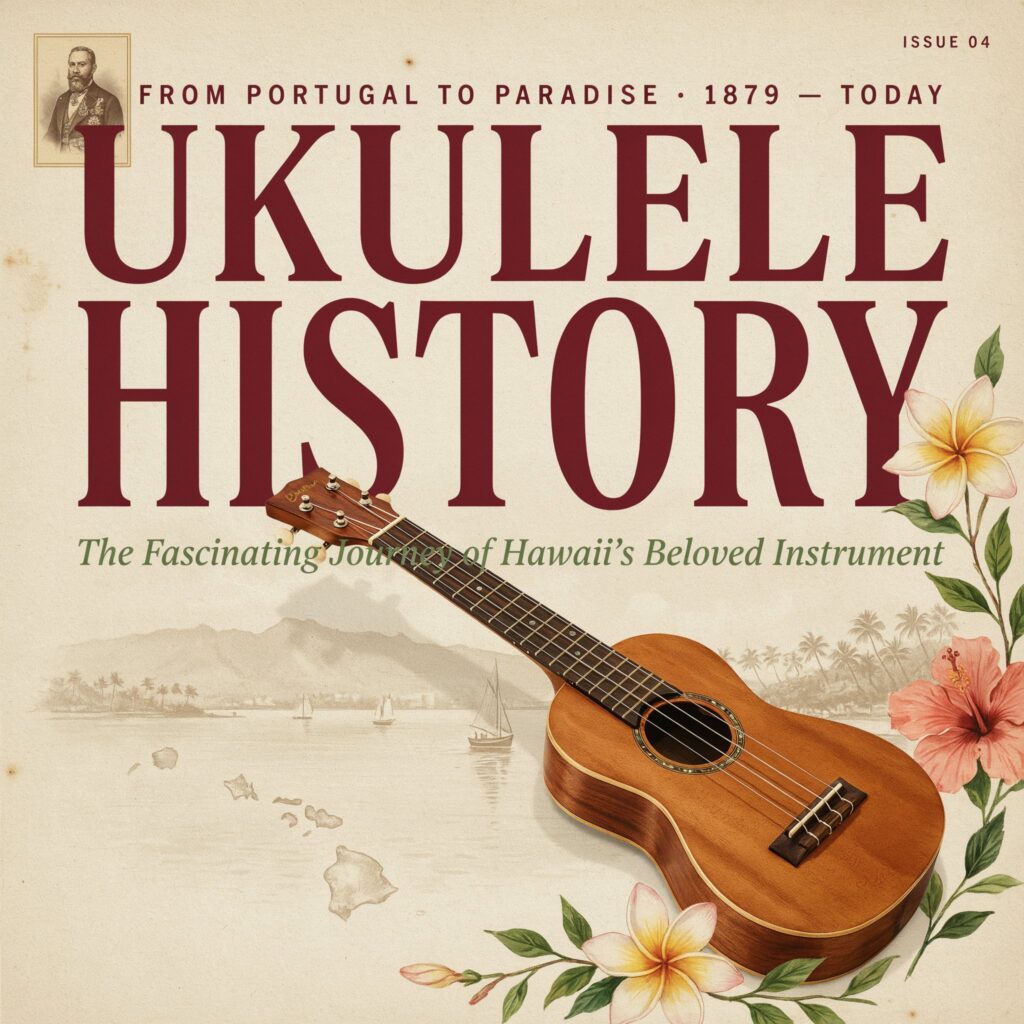

The ukulele is one of the most recognizable string instruments in the world, known for its cheerful sound, compact size, and deep connection to Hawaiian culture. Although many people associate the instrument exclusively with Hawaii, the story of the ukulele is much more complex and fascinating. The instrument’s origins can be traced to European immigrants, and its evolution reflects a blend of cultural influences that helped shape modern music. Today, the ukulele is played across continents, enjoyed by beginners and professionals alike, and remains a symbol of creativity, relaxation, and musical expression.
Understanding ukulele history provides valuable insight into how a small instrument became a global phenomenon. From its arrival in Hawaii during the nineteenth century to its rise in popular culture and modern music, the ukulele has experienced a remarkable journey that continues to inspire musicians worldwide.
The Origins of Ukulele History
The story of ukulele history begins long before the instrument became associated with Hawaii. Its roots can be traced back to Portugal, particularly to the Madeira Islands. During the late nineteenth century, Portuguese immigrants traveled to Hawaii seeking employment opportunities in the sugar plantations. Among these immigrants were skilled craftsmen and musicians who brought with them small stringed instruments such as the machete, cavaquinho, rajão, and braguinha.
These instruments were compact, easy to transport, and popular among Portuguese communities. When they arrived in Hawaii, local residents were captivated by their lively sound and unique playing style. Over time, Hawaiian craftsmen and musicians adapted these instruments, creating what would eventually become known as the ukulele.
The development of the ukulele demonstrates how cultural exchange can lead to the creation of something entirely new. While its ancestry is European, the instrument quickly became intertwined with Hawaiian traditions and identity.
How the Ukulele Got Its Name
One of the most interesting aspects of ukulele history is the origin of its name. The word “ukulele” is commonly translated from Hawaiian as “jumping flea.” Several stories attempt to explain this unusual name. One popular theory suggests that the rapid finger movements of players resembled the quick movements of a flea jumping across a surface.
Another explanation links the name to a Hawaiian nickname given to one of the Portuguese immigrants whose energetic playing style impressed local audiences. Although historians continue to debate the exact origin of the term, the name has become inseparable from the instrument and contributes to its unique identity.
Regardless of which story is correct, the name “ukulele” has become recognized worldwide and is often associated with happiness, island culture, and accessible music-making.
Ukulele History in Hawaii
The arrival of Portuguese immigrants in Hawaii during the 1880s marked a turning point in ukulele history. Hawaiian musicians quickly embraced the instrument because of its portability, pleasant tone, and versatility. Local craftsmen refined the design and incorporated Hawaiian woods, creating instruments that reflected the islands’ natural beauty and craftsmanship.
The instrument gained further popularity when members of Hawaiian royalty became enthusiastic supporters. King David Kalākaua, known for promoting Hawaiian arts and culture, encouraged musical performances at royal gatherings and celebrations. The ukulele became a central part of these events, helping establish its importance within Hawaiian society.
As the instrument spread throughout the islands, it became closely linked to Hawaiian music, dance, and cultural traditions. Its cheerful sound complemented traditional Hawaiian songs and contributed to the development of a distinct musical style that remains influential today.
The Role of King Kalākaua in Ukulele History
King David Kalākaua played a crucial role in the growth of the ukulele. Often referred to as the “Merrie Monarch,” he was passionate about preserving Hawaiian traditions during a period of significant social and political change. His support of music, dance, and cultural expression helped ensure that the ukulele gained recognition and respect.
Royal events frequently featured ukulele performances, introducing the instrument to influential audiences and helping it become an important symbol of Hawaiian culture. Through his patronage, King Kalākaua contributed significantly to the instrument’s rise in popularity and lasting cultural significance.
His efforts to celebrate Hawaiian identity ensured that the ukulele would remain more than just a musical instrument; it became a representation of cultural pride and artistic expression.
The Spread of the Ukulele Beyond Hawaii
A major milestone in ukulele history occurred during the early twentieth century when Hawaiian musicians began performing internationally. Audiences outside Hawaii were fascinated by Hawaiian music and the distinctive sound of the ukulele.
The 1915 Panama-Pacific International Exposition in San Francisco introduced many Americans to Hawaiian culture. Performers showcased Hawaiian music and demonstrated the ukulele’s charm, leading to a surge in popularity across the United States.
Music publishers, instrument manufacturers, and performers quickly recognized the growing demand. As a result, ukulele sales increased dramatically, and the instrument became a staple in homes, schools, and community gatherings throughout America.
This period marked the beginning of the ukulele’s transformation from a regional instrument into a global musical phenomenon.
Ukulele History During the Jazz Age
The 1920s and 1930s represented a golden era in ukulele history. During the Jazz Age, the instrument became incredibly fashionable and was embraced by amateur musicians and professional entertainers alike.
Its affordability and ease of learning made it accessible to people from various backgrounds. Music stores sold thousands of ukuleles, and instructional books helped beginners learn popular songs. Radio broadcasts, vaudeville performances, and recordings further increased the instrument’s visibility.
The ukulele’s bright and rhythmic sound complemented the energetic music of the era. Many performers incorporated it into their acts, contributing to its widespread appeal and helping establish its place in American popular culture.
The Decline and Revival of the Ukulele
Like many musical trends, the popularity of the ukulele experienced periods of decline. Following the rise of larger string instruments and changing musical preferences, interest in the ukulele decreased during the mid-twentieth century.
However, the instrument never disappeared completely. In the 1950s and 1960s, television personalities and musicians helped keep the ukulele in the public eye. Educational programs and community music groups continued to promote its use.
The modern revival of the ukulele began in the late twentieth century and accelerated during the early twenty-first century. Internet tutorials, social media platforms, and online communities introduced new generations to the instrument. Its simplicity, affordability, and versatility made it especially appealing to beginners.
Today, the ukulele enjoys greater popularity than ever before, demonstrating its enduring appeal and adaptability.
Modern Ukulele History and Global Popularity
Modern ukulele history is characterized by global growth and innovation. Musicians from diverse genres, including pop, folk, indie, jazz, and classical music, have incorporated the instrument into their work. Contemporary artists have showcased the ukulele on international stages, introducing it to audiences worldwide.
Advancements in manufacturing have made high-quality instruments more accessible, while online learning resources have enabled millions of people to begin playing from home. Schools frequently use the ukulele as an introductory instrument because it is easy to learn and encourages musical creativity.
The instrument’s worldwide popularity reflects its ability to transcend cultural boundaries while maintaining its strong connection to Hawaiian heritage.
Different Types of Ukuleles Throughout History
As ukulele history evolved, several different sizes emerged to meet the needs of various players. The soprano ukulele is considered the traditional size and remains closely associated with the instrument’s original Hawaiian form. The concert ukulele offers a slightly larger body and fuller sound, while the tenor ukulele provides increased volume and projection.
The baritone ukulele, the largest common variety, produces a deeper tone and is often favored by musicians transitioning from guitar. Each type contributes to the instrument’s versatility and demonstrates how the ukulele has adapted to changing musical preferences over time.
These variations allow players to choose instruments that suit their playing styles while preserving the essential characteristics that define the ukulele.
Cultural Importance of the Ukulele
The ukulele remains an important cultural symbol, particularly in Hawaii, where it represents community, tradition, and artistic expression. Its music is often associated with gatherings, celebrations, and storytelling. Beyond Hawaii, the instrument has become a symbol of creativity and accessibility, encouraging people of all ages to explore music.
The continued popularity of the ukulele highlights its unique ability to bring people together through shared musical experiences. Its rich history serves as a reminder of the power of cultural exchange and artistic innovation.
Conclusion
The history of the ukulele is a remarkable story of cultural blending, innovation, and global influence. Originating from Portuguese string instruments and finding a new identity in Hawaii, the ukulele evolved into one of the world’s most beloved musical instruments. Supported by Hawaiian royalty, embraced by international audiences, and revived by modern musicians, the ukulele has maintained its relevance across generations. Today, it continues to inspire players around the world while honoring its rich heritage and cultural roots. Understanding ukulele history not only deepens appreciation for the instrument but also reveals the fascinating journey that transformed a small island instrument into a global musical icon.
Frequently Asked Questions (FAQs)
What is the origin of the ukulele?
The ukulele originated in Hawaii during the late nineteenth century and was inspired by small string instruments brought by Portuguese immigrants from Madeira.
Why is the ukulele called a “jumping flea”?
The Hawaiian word “ukulele” is commonly translated as “jumping flea,” possibly referring to the rapid finger movements of players.
Who helped popularize the ukulele in Hawaii?
King David Kalākaua played a major role in promoting the ukulele by supporting Hawaiian music and cultural traditions.
When did the ukulele become popular in the United States?
The instrument gained widespread attention after the 1915 Panama-Pacific International Exposition in San Francisco.
What are the main types of ukuleles?
The four primary types are soprano, concert, tenor, and baritone ukuleles.
Why is the ukulele popular today?
Its affordability, ease of learning, portability, and pleasant sound make it appealing to musicians of all ages and skill levels.
Is the ukulele a Hawaiian instrument?
While it was developed and popularized in Hawaii, its roots trace back to Portuguese string instruments brought by immigrants.
Can the ukulele be used for different music genres?
Yes. The ukulele is used in pop, folk, jazz, classical, indie, and many other musical styles around the world.