
Mucus in stool is a condition that many people notice at some point in their lives, yet few openly discuss it. Seeing mucus in bowel movements can be alarming because it often raises concerns about digestive health, infections, or serious medical conditions. In reality, a small amount of mucus in stool is completely normal because the intestines naturally produce mucus to keep the digestive tract moist and lubricated. However, excessive mucus, changes in color, or mucus accompanied by pain, diarrhea, blood, or weight loss may indicate an underlying health issue that requires attention.
Understanding the causes of mucus in stool is important because this symptom can range from harmless dietary irritation to chronic gastrointestinal diseases such as irritable bowel syndrome, ulcerative colitis, or infections. Many people ignore digestive warning signs until symptoms become severe, but early awareness can help prevent complications and improve overall gut health. This article explores everything you need to know about mucus in stool, including its causes, symptoms, diagnosis, treatment options, prevention strategies, and frequently asked questions.
What Is Mucus in Stool?
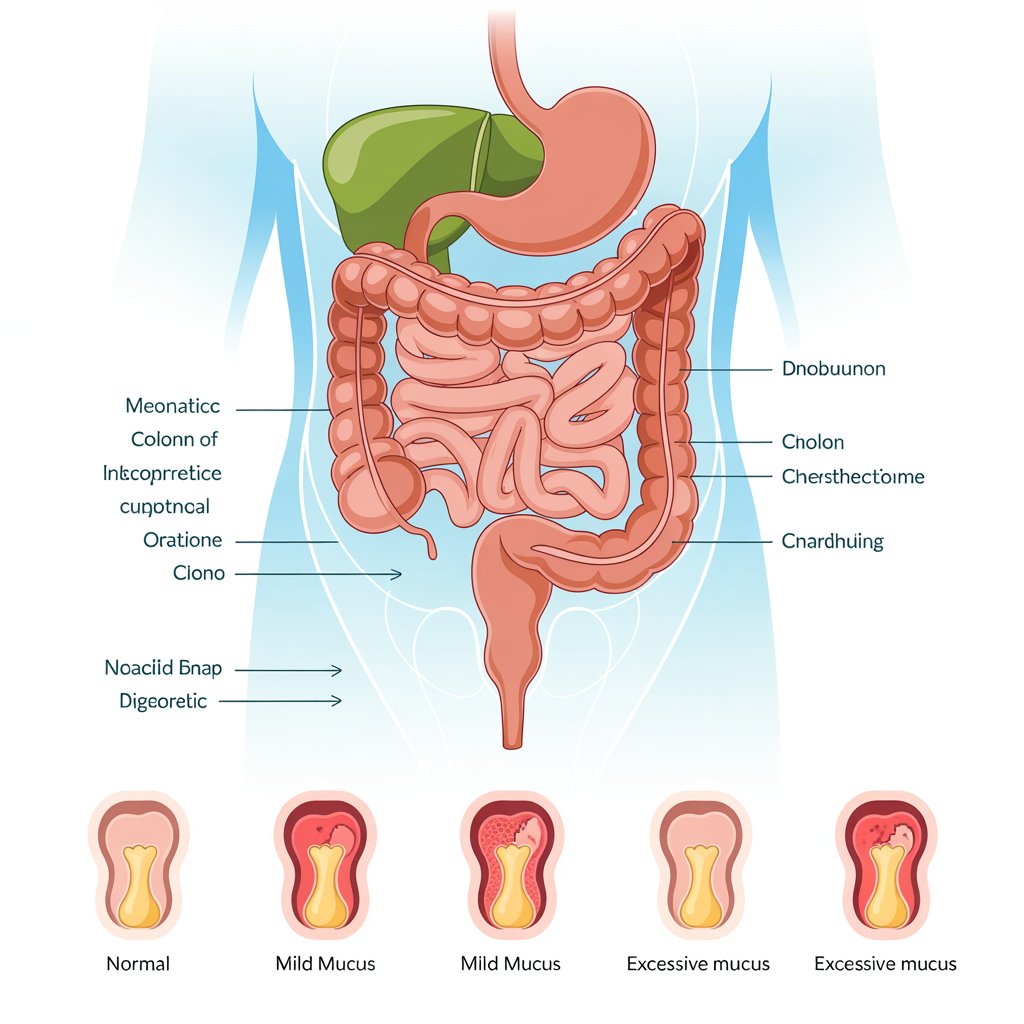
Mucus is a slippery, jelly-like substance naturally produced by the intestines and colon. Its main purpose is to protect and lubricate the lining of the digestive tract. Under normal conditions, mucus mixes with stool in very small amounts, making it nearly invisible. However, when the digestive system becomes irritated or inflamed, the body may produce excess mucus that becomes noticeable in bowel movements.
The appearance of mucus in stool can vary. It may look clear, white, yellowish, or even greenish. Some people describe it as stringy, slimy, or jelly-like. While occasional mucus may not be dangerous, persistent or excessive mucus should not be ignored, especially when accompanied by other digestive symptoms.
Mucus in stool can affect people of all ages. In children, it may result from food sensitivities or infections, while adults may experience it due to digestive disorders, stress, or inflammation. Understanding the underlying cause is the key to determining whether treatment is necessary.
Common Causes of Mucus in Stool
Irritable Bowel Syndrome (IBS)
One of the most common causes of mucus in stool is irritable bowel syndrome. IBS is a chronic digestive disorder that affects the large intestine and can cause abdominal pain, bloating, diarrhea, constipation, and mucus production. People with IBS often notice white or clear mucus in their stool, especially during flare-ups.
Stress, anxiety, hormonal changes, and certain foods can trigger IBS symptoms. Although IBS does not permanently damage the intestines, it can significantly affect quality of life. Managing stress and maintaining a healthy diet are often essential parts of treatment.
Inflammatory Bowel Disease (IBD)
Inflammatory bowel disease includes conditions such as Crohn’s disease and ulcerative colitis. These diseases cause chronic inflammation in the digestive tract, leading to symptoms like diarrhea, blood in stool, abdominal pain, fatigue, and mucus discharge.
In ulcerative colitis, mucus in stool is particularly common because the inflammation affects the lining of the colon. People with severe inflammation may also notice pus or blood mixed with mucus. Since IBD can lead to serious complications if untreated, medical evaluation is important.
Intestinal Infections
Bacterial, viral, or parasitic infections can irritate the intestines and increase mucus production. Food poisoning, stomach flu, and infections caused by bacteria such as Salmonella or E. coli may result in mucus-filled diarrhea.
These infections often occur after consuming contaminated food or water. Symptoms may include fever, nausea, vomiting, stomach cramps, and dehydration. Most mild infections resolve within a few days, but severe cases may require antibiotics or medical treatment.
Food Intolerance and Allergies
Some people experience mucus in stool due to food intolerance or allergies. Lactose intolerance, gluten sensitivity, or reactions to certain processed foods can irritate the digestive tract and trigger inflammation.
Food-related digestive issues often come with bloating, gas, diarrhea, and stomach discomfort. Identifying trigger foods through an elimination diet or medical testing can help reduce symptoms.
Constipation
Constipation can sometimes lead to mucus in stool because the intestines produce additional mucus to help move hard stool through the colon. People with constipation may notice mucus coating the stool or appearing separately during bowel movements.
Chronic constipation may develop due to dehydration, lack of fiber, physical inactivity, or certain medications. Increasing water intake and consuming fiber-rich foods can often improve symptoms.
Colon or Rectal Inflammation
Conditions affecting the rectum or colon, such as proctitis or anal fissures, may also cause mucus in stool. Inflammation in these areas stimulates mucus production as the body attempts to protect irritated tissue.
People may experience rectal pain, bleeding, discomfort during bowel movements, or a sensation of incomplete emptying. Medical evaluation is recommended if symptoms persist.
Symptoms Associated With Mucus in Stool
Mucus in stool can occur alone or alongside other symptoms. The presence of additional symptoms often provides clues about the underlying cause. Common symptoms include:
- Abdominal pain or cramping
- Diarrhea or constipation
- Bloating and excessive gas
- Blood in stool
- Nausea or vomiting
- Fever
- Fatigue
- Unexplained weight loss
- Urgent bowel movements
When mucus appears with blood, severe pain, or persistent diarrhea, it may indicate a more serious digestive disorder requiring prompt medical attention.
Colors of Mucus in Stool and Their Meaning
Clear or White Mucus
Clear or white mucus is the most common type and is often associated with IBS, mild irritation, or constipation. Small amounts are generally harmless.
Yellow Mucus
Yellow mucus may indicate infection, inflammation, or excess fat in stool. It can sometimes occur during digestive infections or gallbladder issues.
Green Mucus
Green mucus can result from bacterial infections or rapid digestion. Certain foods and medications may also contribute to green-colored stool or mucus.
Bloody Mucus
Mucus mixed with blood may signal inflammatory bowel disease, hemorrhoids, anal fissures, or more serious intestinal conditions. Persistent bleeding should always be evaluated by a healthcare professional.
How Doctors Diagnose Mucus in Stool
Diagnosing the cause of mucus in stool usually begins with a medical history and physical examination. Doctors often ask about bowel habits, diet, stress levels, medications, and accompanying symptoms.
Several tests may be recommended, including:
- Stool analysis to detect infections or inflammation
- Blood tests to check for anemia or infection
- Colonoscopy to examine the colon and rectum
- Imaging scans such as CT scans
- Food allergy or intolerance testing
A colonoscopy is particularly useful for identifying inflammatory bowel disease, polyps, or colorectal cancer.
Treatment for Mucus in Stool
Dietary Changes
For many people, dietary improvements can significantly reduce mucus in stool. Increasing fiber intake, drinking more water, and avoiding processed foods may help restore healthy digestion.
Foods rich in probiotics, such as yogurt and fermented foods, can support beneficial gut bacteria. Reducing spicy, greasy, or irritating foods may also improve symptoms.
Medications
Treatment depends on the underlying cause. Doctors may prescribe:
- Antibiotics for bacterial infections
- Anti-inflammatory medications for IBD
- Antispasmodics for IBS
- Laxatives for constipation
- Probiotics for digestive balance
People should avoid self-medicating without professional guidance because improper treatment can worsen symptoms.
Lifestyle Modifications
Stress plays a major role in digestive health. Exercise, relaxation techniques, meditation, and proper sleep can improve gut function and reduce IBS-related mucus production.
Maintaining a healthy lifestyle supports the immune system and helps prevent chronic digestive issues.
When to See a Doctor
Although occasional mucus in stool is usually harmless, certain symptoms require medical attention. You should see a doctor if you experience:
- Persistent mucus lasting several weeks
- Blood in stool
- Severe abdominal pain
- Fever or dehydration
- Sudden weight loss
- Chronic diarrhea
- Black or tarry stool
Early diagnosis is important because some digestive diseases become more difficult to treat if ignored.
Can Mucus in Stool Be Prevented?
Preventing mucus in stool often involves maintaining good digestive health. Healthy habits include eating balanced meals, drinking enough water, managing stress, and exercising regularly.
Good hygiene and safe food handling practices can also reduce the risk of intestinal infections. People with food intolerances should avoid trigger foods whenever possible.
Routine medical checkups are valuable for individuals with chronic digestive symptoms or a family history of gastrointestinal disease.
The Connection Between Gut Health and Mucus in Stool
The digestive system contains trillions of bacteria that influence overall health. When the balance of gut bacteria becomes disrupted, inflammation and digestive symptoms can occur, including mucus in stool.
A healthy gut microbiome supports digestion, nutrient absorption, and immune function. Consuming fiber-rich foods, fruits, vegetables, and probiotics can improve gut health and reduce intestinal irritation.
Poor dietary habits, excessive antibiotics, and chronic stress may negatively affect the gut microbiome and increase digestive problems.
Psychological Stress and Digestive Symptoms
Stress and emotional health are closely connected to the digestive system. Anxiety and stress can alter bowel habits, increase inflammation, and worsen conditions such as IBS.
Many people notice increased mucus in stool during stressful periods. Relaxation techniques, counseling, and stress management strategies may help improve digestive symptoms naturally.
Conclusion
Mucus in stool is a symptom that can range from completely normal to a sign of an underlying digestive disorder. While small amounts of mucus are necessary for healthy bowel function, excessive or persistent mucus should not be ignored, especially if accompanied by pain, diarrhea, blood, or weight loss.
Understanding the causes of mucus in stool helps individuals recognize when medical attention is necessary. Conditions such as IBS, inflammatory bowel disease, infections, constipation, and food intolerances are among the most common triggers. Fortunately, many cases can be managed through dietary changes, medications, lifestyle improvements, and proper medical care.
Maintaining a healthy digestive system through balanced nutrition, hydration, stress management, and regular checkups is one of the best ways to reduce the risk of ongoing bowel problems. Paying attention to changes in bowel habits can help detect potential health issues early and support long-term wellness.
Frequently Asked Questions (FAQs)
Is mucus in stool normal?
Yes, small amounts of mucus in stool are normal because the intestines naturally produce mucus to protect the digestive tract. However, excessive mucus or mucus accompanied by other symptoms may indicate a medical problem.
What causes mucus in stool?
Common causes include irritable bowel syndrome, inflammatory bowel disease, infections, constipation, food intolerance, and intestinal inflammation.
When should I worry about mucus in stool?
You should seek medical attention if mucus in stool occurs with blood, severe abdominal pain, fever, unexplained weight loss, or persistent diarrhea.
Can stress cause mucus in stool?
Yes, stress and anxiety can affect digestive function and worsen conditions like IBS, leading to increased mucus production.
Does mucus in stool mean cancer?
Not necessarily. Most cases are caused by less serious conditions. However, persistent mucus with bleeding or weight loss should be evaluated to rule out serious diseases, including colorectal cancer.
How is mucus in stool treated?
Treatment depends on the underlying cause and may include dietary changes, medications, probiotics, hydration, and stress management.
Can diet affect mucus in stool?
Yes, unhealthy foods, food intolerances, and low fiber intake can irritate the digestive tract and contribute to mucus production.
Can children have mucus in stool?
Yes, children may develop mucus in stool due to infections, allergies, or digestive sensitivities. Persistent symptoms should be checked by a pediatrician.