
Table of Contents
ToggleRound ligament pain is one of the most common discomforts experienced during pregnancy, especially during the second trimester. Many pregnant women describe it as a sudden sharp pain, pulling sensation, or aching discomfort in the lower abdomen or groin area. Although the pain can feel alarming at first, it is usually a normal part of the body adjusting to the growing baby and expanding uterus. Understanding what round ligament pain is, why it happens, and how to manage it can help expectant mothers feel more confident and comfortable throughout pregnancy.
As the uterus grows, the ligaments supporting it stretch and thicken to accommodate the increasing weight. This stretching process can trigger brief but intense pain during movements such as standing up quickly, coughing, sneezing, rolling over in bed, or walking. While round ligament pain is generally harmless, it is important to recognize when symptoms may indicate a more serious condition requiring medical attention. In this comprehensive guide, we will explore the causes, symptoms, stages, diagnosis, treatment options, prevention methods, and frequently asked questions related to round ligament pain.
What Is Round Ligament Pain?
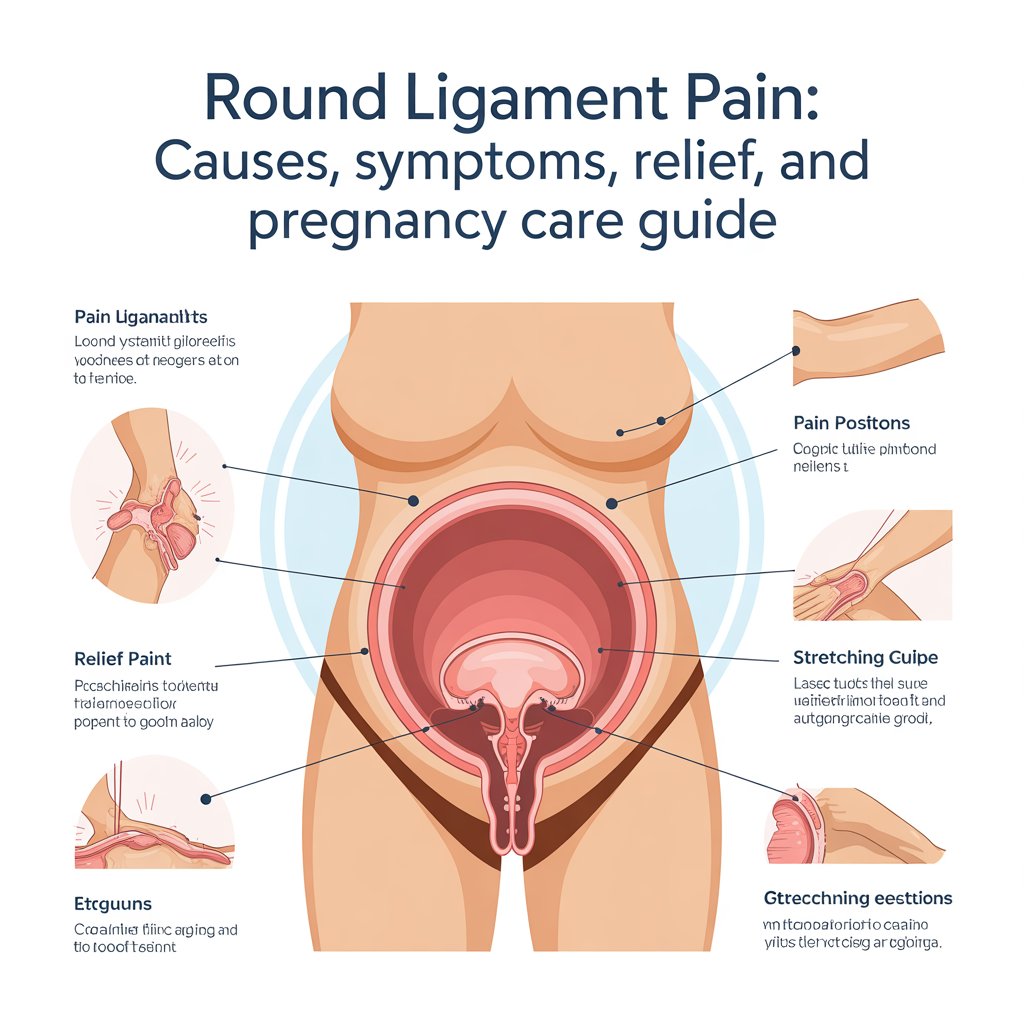
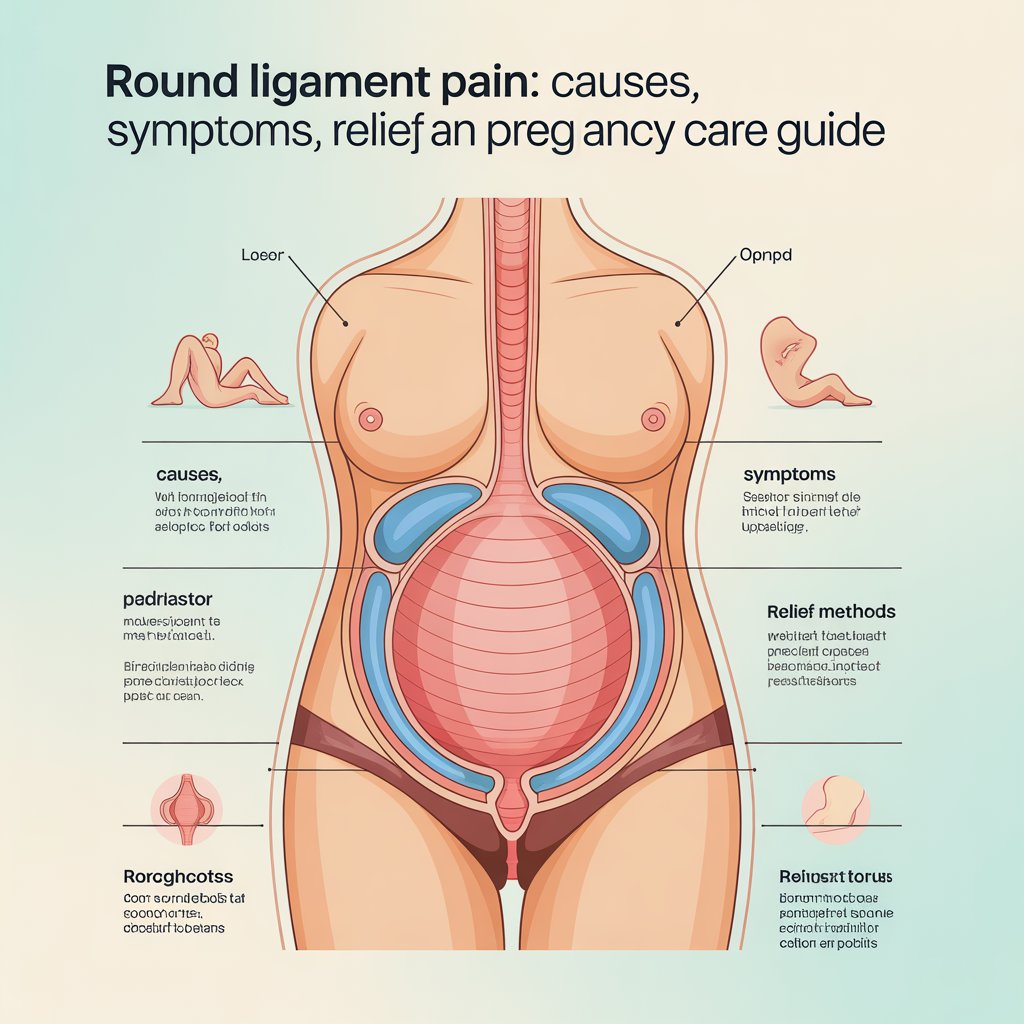
Round ligament pain refers to discomfort caused by stretching of the round ligaments that support the uterus during pregnancy. These ligaments are rope-like bands of connective tissue located on both sides of the uterus. Their primary role is to stabilize the uterus as it grows and changes position throughout pregnancy.
During early pregnancy, the ligaments are relatively firm and short. As the baby develops and the uterus expands upward into the abdominal cavity, the ligaments stretch significantly. This stretching can lead to muscle spasms, tension, and pain. Most women begin experiencing round ligament pain during the second trimester, although some may notice it earlier or later depending on body structure and pregnancy progression.
The pain is often felt on the right side of the lower abdomen because the uterus naturally rotates slightly toward the right during pregnancy. However, some women experience discomfort on both sides. The sensation may last only a few seconds or continue for several minutes after sudden movement or physical activity.
Causes of Round Ligament Pain During Pregnancy
Understanding the causes of round ligament pain can help pregnant women manage symptoms more effectively and avoid unnecessary worry. The main cause is the stretching and tightening of the ligaments supporting the uterus, but several contributing factors can make the discomfort more noticeable.
Uterine Growth and Expansion
As pregnancy progresses, the uterus grows rapidly to accommodate the developing baby, placenta, and amniotic fluid. This growth places increasing pressure on the round ligaments, causing them to stretch beyond their normal range. The stretching process creates tension that may trigger pain, especially during sudden movement.
Sudden Changes in Position
Quick movements often cause the ligaments to contract suddenly, leading to sharp pain. Standing up too quickly, turning in bed, laughing, sneezing, or coughing can all trigger discomfort because these actions rapidly shift the position of the uterus.
Physical Activity
Walking long distances, climbing stairs, lifting objects, or exercising may increase stress on the pelvic region and ligaments. Active pregnant women may experience more frequent episodes of round ligament pain due to repeated motion and muscle strain.
Multiple Pregnancies
Women carrying twins or multiples often experience stronger ligament pain because the uterus expands more quickly and becomes heavier than in a singleton pregnancy.
Previous Pregnancies
Women who have been pregnant before may notice round ligament pain earlier in pregnancy because the ligaments have already stretched in previous pregnancies and may respond differently to uterine expansion.
Symptoms of Round Ligament Pain
Recognizing the symptoms of round ligament pain is important because it helps distinguish normal pregnancy discomfort from potentially serious conditions. The symptoms vary from person to person but generally share similar characteristics.
Sharp or Stabbing Pain
Many women describe the sensation as a sudden sharp pain in the lower abdomen or groin area. The pain may feel like a quick stabbing sensation that disappears within seconds.
Pulling or Stretching Sensation
Some women experience a deep pulling feeling on one or both sides of the belly. This sensation often occurs during movement or exercise.
Pain Triggered by Movement
Round ligament pain is commonly triggered by actions such as coughing, sneezing, laughing, rolling over in bed, or standing up quickly. The pain usually subsides after resting.
Pain in the Groin or Hips
Because the ligaments extend into the pelvic area, discomfort may spread toward the groin, hips, or upper thighs.
Temporary Episodes
Unlike constant abdominal pain, round ligament pain usually comes in short episodes. The discomfort may last from a few seconds to several minutes before fading.
When Does Round Ligament Pain Start?
Round ligament pain most commonly begins during the second trimester, typically between weeks 14 and 27 of pregnancy. This period marks rapid uterine growth, which increases tension on the supporting ligaments.
Some women may experience mild symptoms during the first trimester, especially if they have had previous pregnancies. Others may continue feeling occasional discomfort into the third trimester as the baby becomes larger and heavier.
The intensity and frequency of pain vary widely. Some pregnant women experience only a few episodes throughout pregnancy, while others notice discomfort daily. The symptoms often become more noticeable during periods of physical activity or fatigue.
How to Relieve Round Ligament Pain
Managing round ligament pain often involves simple lifestyle adjustments and supportive measures. Although the condition cannot always be prevented completely, several strategies can significantly reduce discomfort.
Change Positions Slowly
Moving slowly can help prevent sudden stretching of the ligaments. Pregnant women should avoid standing up abruptly or twisting the body quickly.
Gentle Stretching Exercises
Prenatal yoga and gentle stretching exercises can improve flexibility and reduce muscle tension around the pelvis and abdomen. Stretching should always be done carefully and under professional guidance if necessary.
Use a Pregnancy Support Belt
A maternity support belt can help distribute the weight of the growing belly more evenly, reducing strain on the ligaments and lower back.
Rest and Relaxation
Taking breaks during physical activity and getting adequate rest can minimize ligament strain. Lying on the side with a pillow between the knees may also provide comfort.
Warm Compresses
Applying a warm compress or heating pad on a low setting to the painful area may help relax muscles and relieve discomfort. The temperature should never be too hot during pregnancy.
Prenatal Massage
Professional prenatal massage therapy may help reduce tension in the pelvic and abdominal muscles, improving overall comfort during pregnancy.
Exercises for Round Ligament Pain Relief
Exercise can play a major role in preventing and managing round ligament pain when performed safely during pregnancy.
Pelvic Tilts
Pelvic tilts strengthen abdominal muscles and improve posture, helping reduce pressure on the ligaments.
Cat-Cow Stretch
This gentle yoga movement helps relieve tension in the lower back and abdomen while improving flexibility.
Prenatal Yoga
Prenatal yoga promotes relaxation, better posture, and muscle support for the growing uterus. Many poses specifically target pelvic stability and comfort.
Walking in Moderation
Light walking improves circulation and maintains muscle strength without putting excessive pressure on the ligaments.
Pregnant women should always consult their healthcare provider before beginning any exercise routine, especially if they have complications or high-risk pregnancies.
How to Prevent Round Ligament Pain
Although round ligament pain is a natural part of pregnancy, preventive measures can reduce its frequency and severity.
Maintain Good Posture
Standing and sitting with proper posture reduces unnecessary pressure on the abdomen and pelvic muscles.
Avoid Heavy Lifting
Lifting heavy objects can strain abdominal muscles and worsen ligament discomfort.
Stay Physically Active
Regular gentle exercise helps strengthen muscles that support the uterus and pelvis.
Wear Comfortable Clothing
Loose and supportive clothing can reduce pressure around the abdomen and hips.
Hydration and Nutrition
Proper hydration and balanced nutrition support muscle and ligament health during pregnancy.
When to See a Doctor About Round Ligament Pain
While round ligament pain is usually harmless, certain symptoms may indicate a more serious medical condition. Pregnant women should contact a healthcare provider if they experience:
- Severe or persistent abdominal pain
- Fever or chills
- Vaginal bleeding
- Pain during urination
- Contractions or cramping
- Dizziness or fainting
- Difficulty walking
- Sudden swelling or unusual symptoms
These signs could indicate conditions such as appendicitis, urinary tract infection, preterm labor, or placental complications that require immediate medical evaluation.
Difference Between Round Ligament Pain and Other Pregnancy Pains
It can sometimes be difficult to distinguish round ligament pain from other forms of pregnancy discomfort.
Round Ligament Pain
- Sharp and sudden
- Triggered by movement
- Usually short-lasting
- Located in lower abdomen or groin
Braxton Hicks Contractions
- Tightening sensation across the abdomen
- Irregular contractions
- Often relieved by hydration and rest
Labor Contractions
- Regular and progressively stronger
- Associated with cervical changes
- May include back pain and pelvic pressure
Urinary Tract Infection
- Burning during urination
- Fever or pelvic discomfort
- Frequent urge to urinate
Understanding these differences can help pregnant women determine when medical attention may be necessary.
Emotional Impact of Round Ligament Pain
Pregnancy discomfort can sometimes create emotional stress and anxiety, especially for first-time mothers. Sudden abdominal pain may trigger fear about the health of the baby, even when the condition is harmless. Learning about the normal physical changes of pregnancy often helps reduce anxiety and promotes confidence.
Support from healthcare providers, partners, and family members can make a significant difference in emotional well-being. Practicing relaxation techniques, mindfulness, and proper self-care may also help expectant mothers manage stress associated with physical discomfort.
Conclusion
Round ligament pain is a common and generally harmless part of pregnancy that results from the stretching of ligaments supporting the growing uterus. Although the pain can feel sharp and concerning, it is usually temporary and manageable with simple lifestyle adjustments such as slow movement, gentle exercise, proper rest, and supportive clothing. Understanding the causes and symptoms of round ligament pain allows pregnant women to feel more prepared and less anxious during this stage of pregnancy.
However, it is equally important to recognize warning signs that may indicate a more serious condition. Persistent pain, bleeding, fever, or contractions should never be ignored. With proper care, medical guidance, and self-awareness, most women can successfully manage round ligament pain while continuing to enjoy a healthy pregnancy journey.
Frequently Asked Questions About Round Ligament Pain
Is round ligament pain dangerous?
No, round ligament pain is usually harmless and considered a normal part of pregnancy. However, severe or persistent pain should be evaluated by a healthcare provider.
What does round ligament pain feel like?
It often feels like a sharp, stabbing, pulling, or stretching sensation in the lower abdomen or groin area.
When does round ligament pain usually start?
Most women begin experiencing it during the second trimester, typically between 14 and 27 weeks of pregnancy.
Can round ligament pain happen on both sides?
Yes, although it commonly occurs on the right side, some women feel pain on both sides of the abdomen.
How long does round ligament pain last?
Episodes usually last only a few seconds or minutes, especially after sudden movement.
Can exercise help reduce round ligament pain?
Yes, gentle exercises such as prenatal yoga, stretching, and walking can help improve flexibility and reduce discomfort.
Should I worry if the pain becomes severe?
Yes, severe pain, bleeding, fever, or contractions should be reported to a healthcare provider immediately.
Does round ligament pain affect the baby?
No, round ligament pain does not harm the baby and is related to normal physical changes during pregnancy.